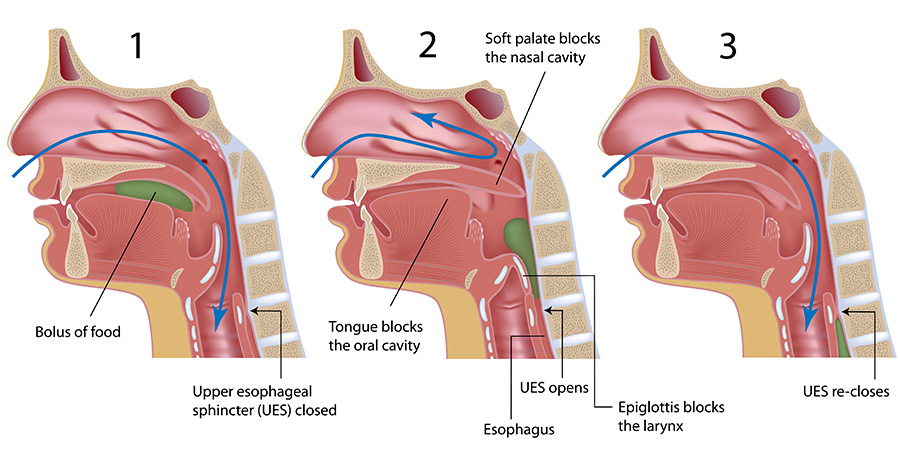
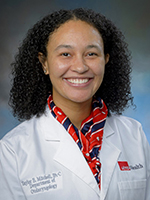
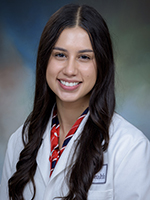
At UTMB, we understand that swallowing disorders can impact every aspect of your life, from eating and drinking to speaking and breathing. Our team of specialists are dedicated to providing comprehensive, compassionate care tailored to your unique needs. We evaluate where the site of your swallowing difficulties may be and craft a plan to achieve your treatment goals. Our multi-disciplinary approach includes laryngologists and speech-language pathologists to help treat you.
Conditions We Treat
Dysphagia From Neuromuscular Disorders
Overview:
Dysphagia from neuromuscular disorders arises when diseases or conditions disrupt the normal function of the muscles and nerves that coordinate the swallowing process. This can lead to a range of symptoms affecting the safety and efficiency of swallowing. The condition often requires a multidisciplinary approach for effective management and treatment.
Symptoms:
- Difficulty Initiating Swallowing: Problems with starting the swallowing process or delayed swallowing reflex.
- Choking or Coughing: Frequent choking or coughing during or after eating and drinking due to impaired control of swallowing muscles.
- Aspiration: Food or liquid entering the airway, which can lead to respiratory issues or pneumonia.
- Sensation of Food Sticking: Feeling of food or liquid getting stuck in the throat or chest.
- Voice Changes: Changes in voice quality, such as hoarseness or a breathy voice, particularly after eating.
Treatment:
Treatment is tailored to each patient’s condition and may include:
- Swallowing Therapy: Customized exercises and techniques provided by our speech and language pathologists to enhance swallowing function and safety.
- Dietary Adjustments: Modifications to food texture and consistency to facilitate easier swallowing and reduce the risk of aspiration.
- Medications: To manage underlying neuromuscular conditions and alleviate symptoms.
- Assistive Devices: Tools and strategies to aid in swallowing and improve safety during meals.
- Coordination with Other Specialists: Collaboration with neurologists, dietitians, and occupational therapists to address all aspects of care.
Esophageal Dysphagia
Overview:
Esophageal dysphagia refers to difficulties in swallowing that originate in the esophagus. This condition can make it hard for food and liquids to move from the mouth to the stomach, leading to discomfort and complications. The issue may stem from structural abnormalities, motility disorders, or inflammation within the esophagus.
Symptoms:
- Difficulty Swallowing: A sensation of food getting stuck in the chest or throat, or trouble swallowing solid foods and liquids.
- Painful Swallowing: Discomfort or pain during or after swallowing.
- Regurgitation: The backflow of food or liquids from the esophagus into the mouth.
- Heartburn: A burning sensation in the chest or throat, often related to GERD.
- Unexplained Weight Loss: Resulting from eating difficulties or reduced food intake.
Treatment:
Treatment is customized based on the underlying cause and severity of the dysphagia, and may include:
- Medications: To manage inflammation, acid reflux, or motility disorders.
- Endoscopic Procedures: Such as dilation of strictures or removal of obstructions.
- Surgical Interventions: For severe cases, including surgery to correct structural abnormalities or repair hiatal hernias.
- Swallowing Therapy: Exercises and techniques to improve swallowing function, guided by our speech and language pathologists.
- Dietary Modifications: Adjustments to food texture and consistency to make swallowing easier and safer.
Oropharyngeal Dysphagia Condition
Overview:
Oropharyngeal dysphagia is a type of swallowing disorder that affects the oropharynx, the part of the throat located behind the mouth. It involves difficulty initiating the swallowing process and moving food or liquids from the mouth into the esophagus.
Symptoms:
- Difficulty Started Swallowing: Trouble initiating the act of swallowing, which can lead to delays in eating or drinking.
- Choking or Coughing: Episodes of coughing or choking while eating or drinking due to food or liquid entering the airway.
- Sensation of Food Sticking: Feeling of food or liquids getting stuck in the throat or chest.
- Voice Changes: Changes in voice quality, such as hoarseness or a wet-sounding voice, especially after eating or drinking.
- Frequent Aspiration: Occurrence of food or liquid entering the lungs, leading to coughing and potential respiratory issues.
Treatment:
Treatment is tailored to each patient’s needs and may include:
- Swallowing Therapy: Customized exercises and techniques designed by our speech and language pathologists to improve swallowing function and safety.
- Dietary Modifications: Adjustments to the texture and consistency of foods and liquids to make swallowing easier and safer.
- Medical Management: Medication or other treatments to address underlying conditions contributing to dysphagia.
- Surgical Intervention: In some cases, surgical procedures may be necessary to correct structural abnormalities or remove obstructions.
Your Care Team
Each provider may treat different conditions. Click on a profile to see their areas of specialty.
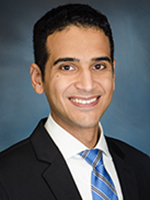
Oral and Maxillofacial Surgery
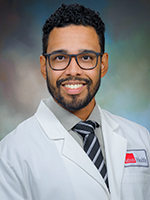
Ear, Nose & Throat
Frequently Asked Questions
-
Can swallowing disorders be prevented?
While not all swallowing disorders can be prevented, certain measures can reduce the risk:
- Managing and treating underlying health conditions
- Maintaining good oral hygiene and regular dental check-ups
- Avoiding behaviors that exacerbate reflux or swallowing difficulties, such as smoking or excessive alcohol consumption
- Seeking early medical attention for any signs of swallowing difficulties
-
How long does it take to see improvement with treatment?
The time it takes to see improvement varies based on the specific cause of the swallowing disorder and the type of treatment provided. Some patients may experience improvement within a few weeks, while others may require longer-term therapy or ongoing management. Your healthcare provider will give you an estimated timeline based on your individual case.
-
How can I schedule an appointment?
To schedule an appointment, please contact the clinic.
Our Locations
- 1600 West League City Parkway
Suite D - M–F: 8 a.m.–5 p.m.
- (281) 338-0829
- (281) 557-7284
- Website
- 1600 West League City Parkway
Suite A - M–F: 8 a.m.–5 p.m.
- (832) 632-5222
- (832) 632-5221
- Website
- 1005 Harborside Drive
5th Floor - M–F: 8 a.m.–5 p.m.
- (832) 632-5222
- (832) 632-5221
- Website